A Short Timeline
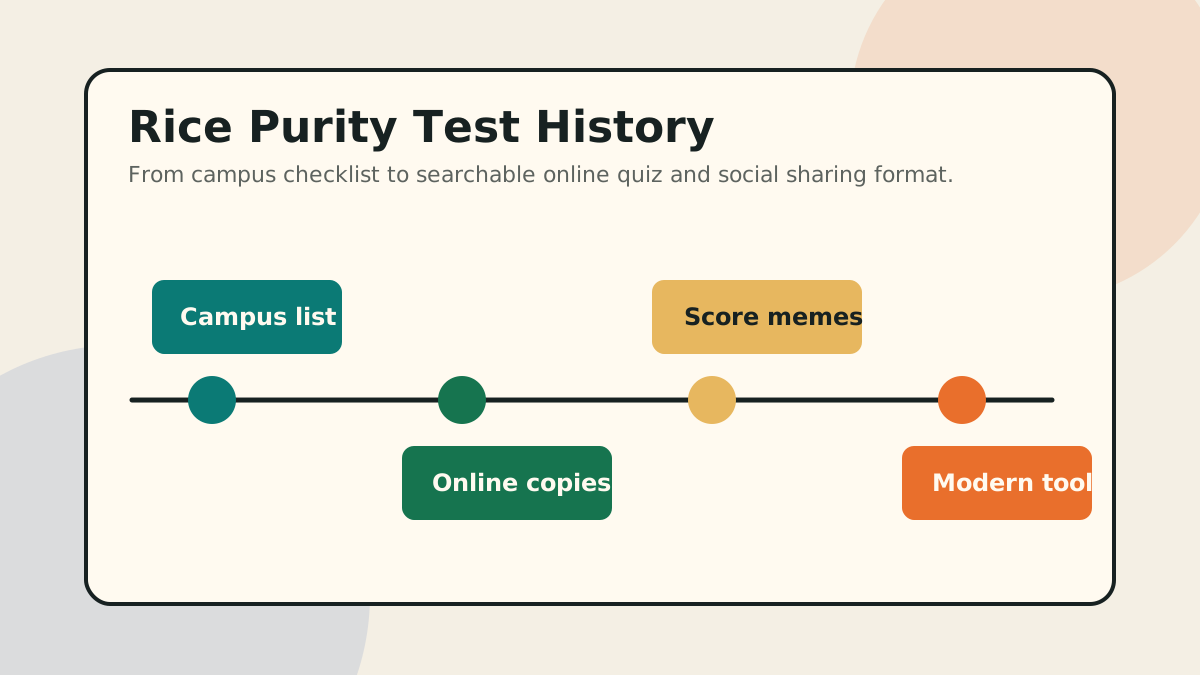
The exact details of the quiz timeline can be difficult to separate from online repetition, but the broad timeline is clear. The quiz is widely associated with a campus-style 100-question checklist, then later became a web format that could be copied, shared, and adapted for new audiences.
The 100-question structure made the test memorable. Users did not need a complex account or scoring system. They checked statements, received a number, and used that number as a conversation starter. That simplicity helped the quiz survive across websites and social platforms.
The checklist format also made adaptation easy. A page could update wording, move categories around, or change the visual design while preserving the same basic score. That is why users now search for original versions, score charts, average scores, and safer variants instead of only one main page.
Why It Spread Online
The timeline also shows why shareable quizzes travel quickly. The result is short enough for a screenshot, the score is easy to compare, and the topic feels personal without requiring a long explanation. A single number can invite curiosity, jokes, and group discussion.
Social platforms changed the quiz from a private checklist into a public result format. People began comparing scores in comments, videos, group chats, and forums. That attention created more searches for score meanings, original questions, average scores, unblocked versions, and printable copies.
This spread created a second search intent: people no longer only wanted to take the quiz. They wanted to understand what their score meant, whether their result was average, whether the list was original, and how to share a result without exposing too much.
Rice Purity Test history matters for SEO because those follow-up questions now form separate search pages. A user might start with the quiz, then search for score meaning, a printable version, an unblocked version, or the original list. A stronger site answers those paths instead of forcing every searcher back to one generic page.
Classic to Modern Versions
The familiar version uses 100 prompts and a score that moves from 100 toward 0.
Web versions made the quiz easier to access, but quality varies by privacy, readability, and ads.
Result cards and screenshots made scores easier to compare, which increased search demand.
Teen-safe, couples, college, and group pages now answer more specific search intent.
What Changed in New Pages
Modern pages usually keep the core scoring idea but improve the interface. A current page can offer mobile-friendly controls, local scoring, clear score ranges, result cards, and stronger privacy notes. It can also separate safer versions from classic adult-oriented prompts.
That change is useful as long as the page stays honest. It should not imply official affiliation if it is independent. It should explain whether answers are saved. It should link to the original format guide for users who want classic context and the results guide for users who want score meaning.
In other words, Rice Purity Test history is not just trivia. It explains why modern users expect a fast test, a readable score, and supporting pages for every major question after the result appears.
Good Rice Purity Test history content should connect the old checklist format to current search behavior without overstating what is officially known.
Try the Modern Version
After reading this history guide, you can take a modern browser version with score ranges, modes, and a private result card.
FAQ
What is the short Rice Purity Test history?
It is widely known as a campus-style checklist that became a copied online quiz and social score-sharing format.
Why is the score so shareable?
The result is one number from 0 to 100, so it is easy to screenshot, compare, and discuss.
Are modern versions still useful?
Yes, if they keep the scoring clear, explain privacy, and offer safer versions for narrower user intent.